
Layering With HMDD: Shaping Fits Around Sweatpants and Shorts
Most people treat layering as purely a winter survival tactic, not a method for building a real outfit. That perspective misses the mark, above all when HMDD sweatpants and HMDD shorts serve as your foundation. Happy Memories Don’t Die has built a clothing approach around comfort-forward cuts that still hold their shape in a fit, and this balance is precisely what makes layering around them so doable. You’re not fighting bulky fabric or struggling against a logo that dominates every frame. You’re working with simple silhouettes that let a hoodie, a jacket, or a simple tee carry the visual weight up top while the bottoms carry weight and structure below.
This article walks through how to put together layered outfits around HMDD sweatpants and HMDD shorts throughout different seasons, occasions, and proportions. We’ll cover fabric weight, color stacking, and the fine styling decisions that separate a thrown-together fit from one that looks purposeful. For anyone who’s gone through an hmdd review or two but still isn’t sure how these pieces fit into everyday wear, consider this the hands-on continuation.
What Makes HMDD Bottoms Work So Well as a Layering Foundation
Most layering discussions focus on the top half — jackets, flannels, vests — and treat the bottom half as an secondary concern. That’s a mistake with HMDD clothing hmddoutlet.net/t-shirts in particular, because the brand’s sweatpants and shorts are cut with enough intention that they serve as a structural centerpiece, not just a throwaway item. A tapered sweatpant leg or a shorts silhouette that holds a steady hemline gives you a predictable base to build from, which is more important than most assume when you’re layering three or four garments in one outfit.
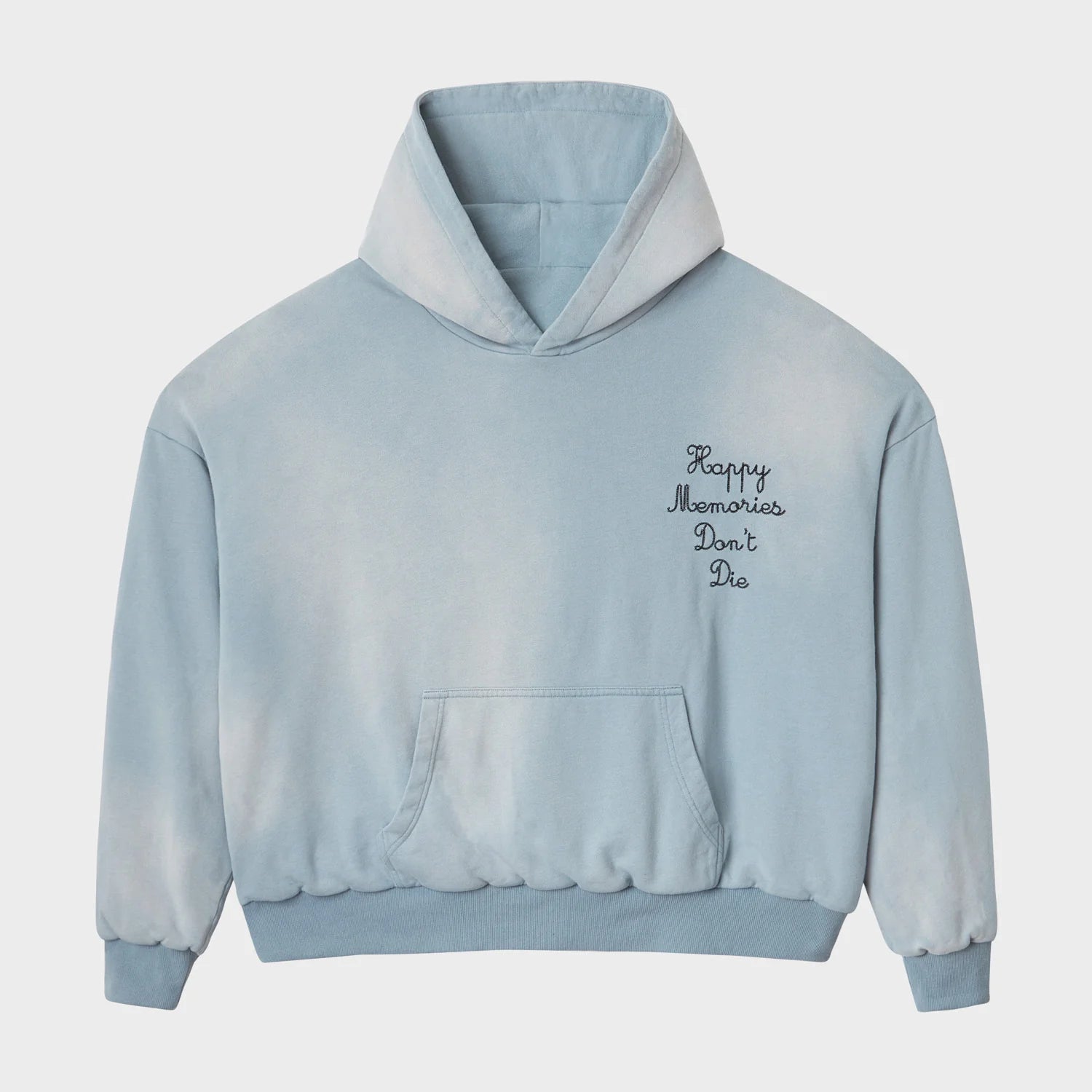
Think of it in terms of proportional balance. When the bottoms lack structure and sit loose, whatever you layer above has to counterbalance — either tighter or shorter — otherwise the entire look ends up shapeless. HMDD sweatpants tend to taper toward the ankle, which means you can layer a lengthier overshirt or an oversized hoodie on top without the shape falling apart into shapeless fabric. The same logic applies to HMDD shorts in warmer months — a clean hem and consistent rise mean you can layer a light jacket or a button-up over a tee without the bottom half competing with the upper layers visually.
A material argument exists here too: thicker fleece sweatpants keep their fold and form more effectively than thin cotton-poly blends do, meaning both their look in photos and their day-long performance improve. This is one reason why hmddla has turned into a kind of code in internet discussions for people deliberately seeking out the label’s LA-tinged, streetwear-leaning items — in person the fabric’s weight and drape come across very differently than in a flat product shot, and once you feel it, it becomes clearer why the layering works the way it does.
Building Cold-Weather Layers Around HMDD Sweatpants
Begin with the sweatpant as the constant and construct upward using three layers: a foundational tee, a mid-layer hoodie or crewneck, and a top jacket. The backbone of most cold-weather streetwear fits is exactly this three-layer approach, effective because each layer does its own distinct job. Close to the skin, the base tee manages temperature. The hoodie contributes volume plus a graphic or branding moment. The outer layer, be it a shell, denim trucker, or coach jacket, is what defines the silhouette at a distance.
Specifically with HMDD sweatpants, the tapered fit means you can add more bulk above without looking top-heavy. Combining a drop-shoulder hoodie and a mid-length puffer with HMDD sweatpants produces a purposefully loose-up-top, snug-below shape that’s remained a leading look in streetwear styling for years and shows no sign of fading in 2026. What matters most to track is how hoodie length compares to jacket length — if your hoodie hem falls more than two or three inches below your jacket hem, the layering reads as sloppy rather than intentional. Keep that gap tight and the whole fit locks into place.
Color sequencing matters just as much as fit. Rather than switching between unconnected tones at every layer, a three-layer cold-weather fit built around HMDD sweatpants should typically transition from dark to light or vice versa, bottom to top. Pairing charcoal sweatpants with a heather grey hoodie and a black shell comes across as thoughtful. Charcoal sweatpants, a bright graphic hoodie, and an olive jacket reads as accidental, except when you’re purposefully chasing a clashing aesthetic, a wholly different styling exercise.
Layering for Warm Weather With HMDD Shorts
The idea of layering shorts seems contradictory until you distinguish “layering” from “piling on bulk.” In hot weather, the goal of layering around HMDD shorts is more visual dimension without trapping heat — a breathable overshirt, a loose short-sleeve button-up over a tank top, or an open mesh jersey layered over a basic tee. All of these choices bring a secondary texture to the fit without holding warmth close to the body.
An unbroken visual flow is the core idea with shorts-based fits — the eye shouldn’t stop at the knee. An extended unbuttoned layer — a layer that lands to the mid-thigh area or slightly higher than where the shorts end — creates continuity between the upper and lower portions of the fit instead of a noticeable disconnect at the waist. This ranks among the most frequent missteps in summer streetwear styling: a short or boxy t-shirt paired with shorts and nothing else can look incomplete, while that identical pair of shorts paired with a somewhat lengthier open shirt worn on top of the tee instantly reads as complete.
Shoes carry a lot of the styling weight in shorts-based outfits too, more than most people realize. Because there’s more visible leg, the combination of sock length and shoe shape enter into the overall layering logic whether you intend it or not. Pairing a low-cut sock with a bulky sneaker stretches the leg visually; a crew sock with the same shoe shortens it. If you’re building a fit around HMDD shorts for a warmer month in 2026, treat the sock choice as a fourth layer, not an afterthought.
One Rotation, Two Silhouettes: Combining Sweatpants with Shorts
Most people don’t own only sweatpants or only shorts — they own both and need a framework for figuring out which to wear on a given day without second-guessing themselves every morning. The simplest system is temperature banding: under a set temperature point, sweatpants; past that point, shorts, with a middle range where both options are viable depending on the way you’re layering up top.
A workable range for most climates looks like this: under 55°F, sweatpants are the go-to. In the 55°F-to-68°F range, it’s a judgment call based on activity level and how many layers you’re wearing up top. Past 68°F, shorts become the default unless you’re specifically dressing for air conditioning or a cooldown in the evening. These aren’t strict cutoffs, but it cuts down on the daily back-and-forth and lets you focus styling energy on the top-half layering instead of relitigating the bottom half every time you get dressed.
A second factor in mixing sweatpants and shorts into one wardrobe is palette consistency. If your HMDD sweatpants and HMDD shorts share a similar palette — greys, blacks, muted earth tones — your top-layer pieces become swappable between the two, which essentially doubles your outfit combinations without requiring twice the wardrobe. This is the same principle capsule wardrobes are built on, and it applies just as well to a streetwear-oriented rotation as it does to a minimalist one.
Layering Strategies Compared Across the Seasons
| Weather Period | Foundation Layer | Insulating Piece | Top Layer | Bottom |
|---|---|---|---|---|
| Winter | Long-sleeved tee | Thick hoodie | Down puffer or shell piece | Sweatpants by HMDD |
| Spring | Short-sleeve top | Lightweight crewneck | Denim jacket or coach jacket | HMDD sweatpants |
| Summer | Tank or tee | Loose short-sleeve shirt | None or mesh jersey | Shorts from HMDD |
| Fall | Tee | Flannel or overshirt | Lightweight jacket | HMDD shorts or sweatpants |
Final Notes on Building a Cohesive Rotation
People scanning hmdd review threads before committing to a purchase are usually trying to resolve one question: does this hold up as a foundation piece, or is it a one-outfit item that fades into the back of a drawer? Looking at the way the sweatpants and shorts are constructed, in truth, they’re built to be a supportive base layer for many top-half pairings, not a loud, attention-demanding statement piece. This is praise, not criticism — the strongest foundational pieces in a closet are the ones that fade from conscious thought simply because they perform so well.
Should you be buying from HMDD for the first time in 2026, don’t fall into the trap of grabbing a single pair of sweatpants or shorts and considering the job finished. Layering systems need at least two bottom options in different weights and two or three top layers that can rotate across them, and best HMDD clothing picks tend to be the pieces that play well with items you already own rather than the loudest item in the lineup. Start with a neutral sweatpant and a neutral short, build two or three top-layer combinations for each, and let the rotation grow from there — fond memories never fade, and neither does a wardrobe system that’s genuinely worn rather than just admired on a hanger
